Pillar 1
Getting Started as a Family Caregiver: What to Do First
Most family caregivers don't choose the role. It chooses them. A fall, a diagnosis, a phone call from a neighbor. These guides cover what to do in the days, weeks, and first months after you realize someone you love needs more help than they're getting.
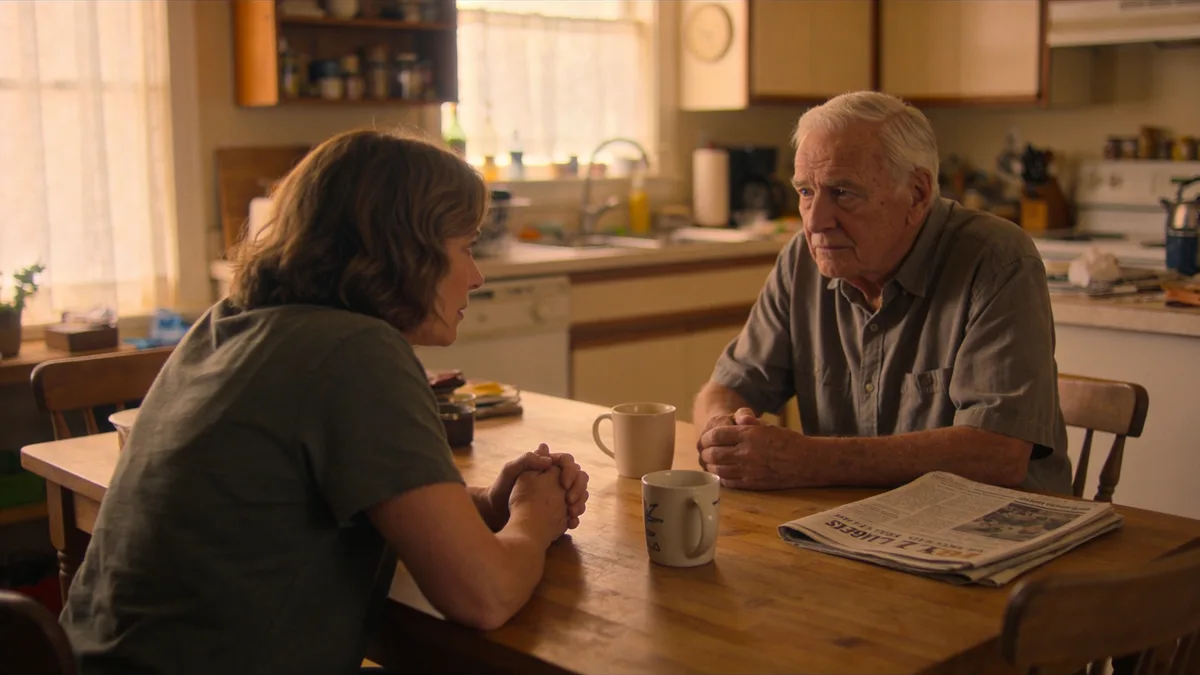
The short answer: Getting started means recognizing the warning signs, having honest conversations before a crisis forces the issue, and building a care plan within the first 30 days. Most family caregivers start before they feel ready, and that is normal.
Guides in This Section
8 articles covering the early stages of caregiving, from noticing the first warning signs to organizing the first 30 days.
- Signs Your Aging Parent Needs Help at Home: 12 Things to Watch For
- How to Bring Up the Conversation When a Parent Refuses Help
- What to Do First When a Parent Is Diagnosed With Dementia
- How to Divide Caregiving Responsibilities Among Siblings
- Long-Distance Caregiving: Managing Care From Far Away
- When Your Parent Says "I'm Fine" (But You Know They're Not)
- How to Do a Safety Walk-Through of a Parent's Home
- The First 30 Days as a Family Caregiver: What to Do and When
Caregiving looks different for every family.
Tell us what you're dealing with, and we'll make sure what we share actually fits your situation.
Thanks for sharing your situation.
We'll use this to make sure our resources are as useful as possible.
The information on this page is for educational purposes only and does not constitute medical, legal, or financial advice. Every family's situation is different. Please consult a qualified healthcare provider, licensed attorney, or certified financial planner for guidance specific to your circumstances.