Pillar 7
Safety and Equipment: What Actually Helps and What to Skip
After a fall, a close call, or a diagnosis, families often scramble to find equipment that can help their loved one stay safe at home. The options are confusing and the marketing is aggressive. These guides cut through it: what each product does, who actually needs it, what it costs, and what questions to ask before spending money.
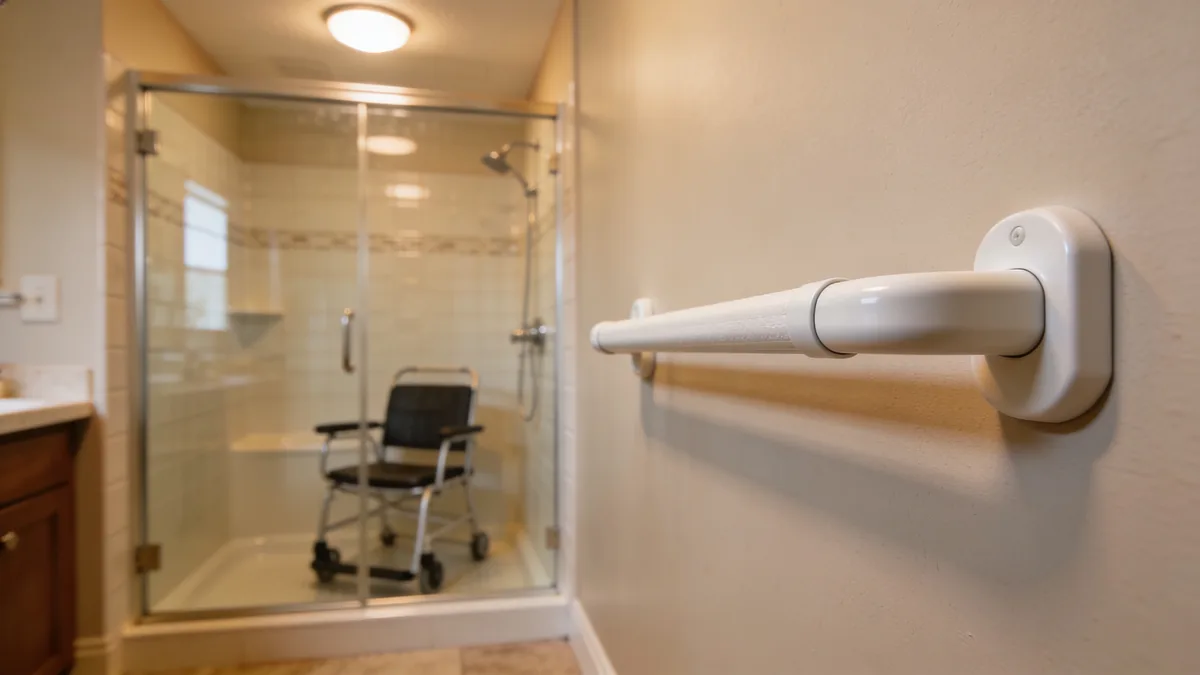
The short answer: Medical alerts, grab bars, and fall prevention equipment reduce risk, but only when matched to the right person and situation. These guides explain what each product does, who benefits most, and how to compare options without relying on manufacturer claims.
Guides in This Section
8 articles on safety equipment and home modifications for aging in place: medical alerts, grab bars, walk-in tubs, pill dispensers, monitoring systems, mobility aids, and stair lifts.
- Best Medical Alert Systems for Seniors: How to Choose (2026 Guide)
- Medical Alert Devices: What to Look For and What to Ignore
- Grab Bars: What to Install, Where, and How to Do It Right
- Walk-In Tubs and Walk-In Showers: What Families Need to Know
- Automatic Pill Dispensers: Do They Actually Help?
- Home Monitoring for Seniors: Cameras, Sensors, and Privacy Considerations
- Mobility Aids: Walkers, Rollators, and Wheelchairs Explained
- Stair Lifts: How They Work, What They Cost, and Who Needs Them
Caregiving looks different for every family.
Tell us what you're dealing with, and we'll make sure what we share actually fits your situation.
Thanks for sharing your situation.
We'll use this to make sure our resources are as useful as possible.
The information on this page is for educational purposes only and does not constitute medical, legal, or financial advice. Every family's situation is different. Please consult a qualified healthcare provider, licensed attorney, or certified financial planner for guidance specific to your circumstances.